Safety is not a box-ticking exercise
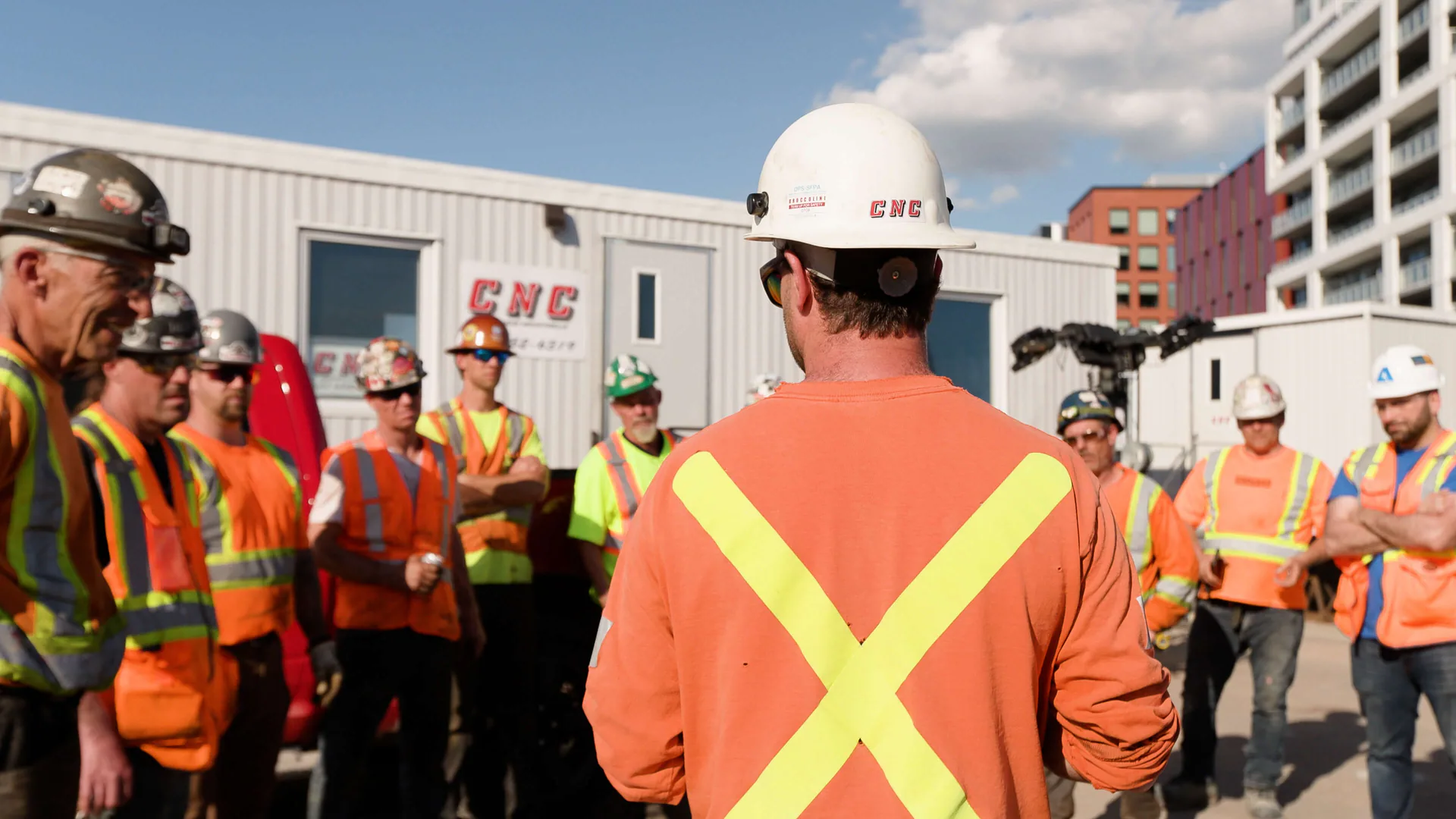
Regulatory compliance is a starting point, not an end point. On a jobsite, a procedure that exists only on paper protects no one. What matters is the method crews actually apply, understand collectively and adjust when conditions change.
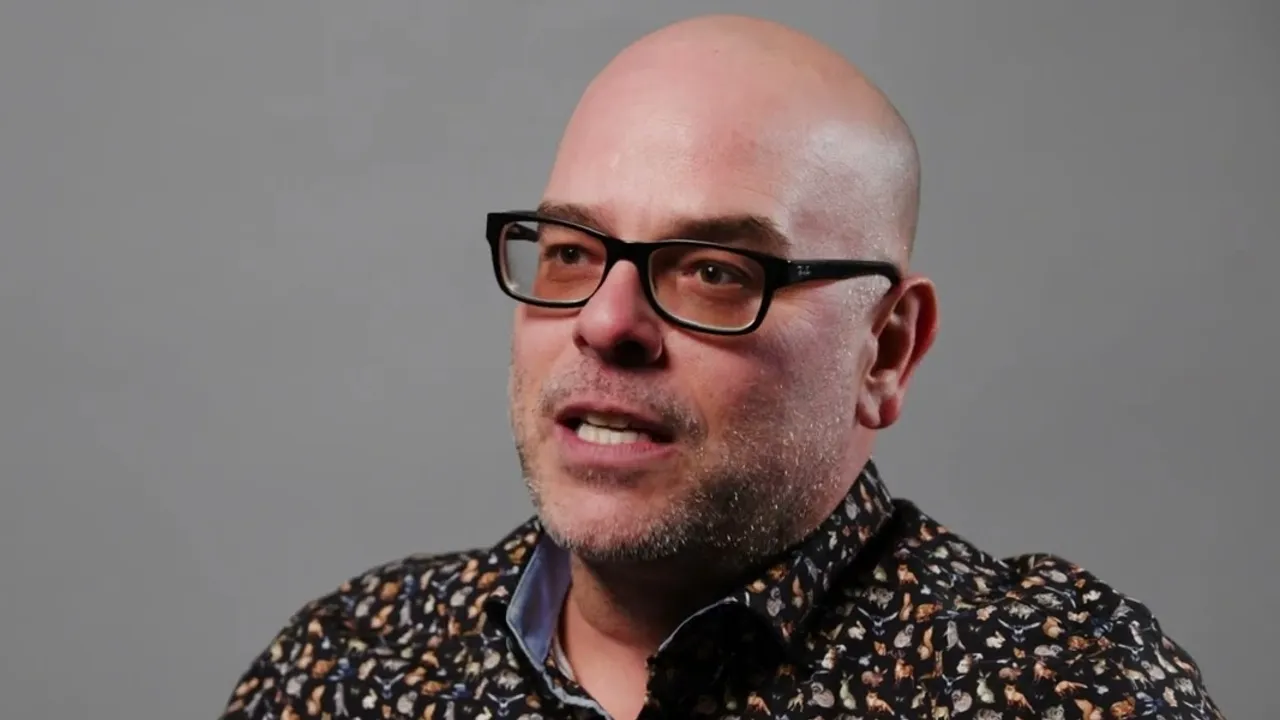
Étienne Gagnon, Health, Safety and Environment Director at CNC Mechanical for more than ten years, states the company position directly:
Health and safety is not just ticking boxes to satisfy the regulations. It is a commitment to our clients, our workers and our partners.
It is also why our representatives step in when a method departs from what was planned, even when doing so slows a sequence down. A day without an incident benefits everyone: the workers, their families and the company.
A program adapted to the work
Piping work, a heavy lift, work at elevation and an equipment repair do not present the same conditions. The prevention program is therefore adapted to the scope and site instead of being treated as a generic document.
Documented elements of CNC Mechanical's approach include:
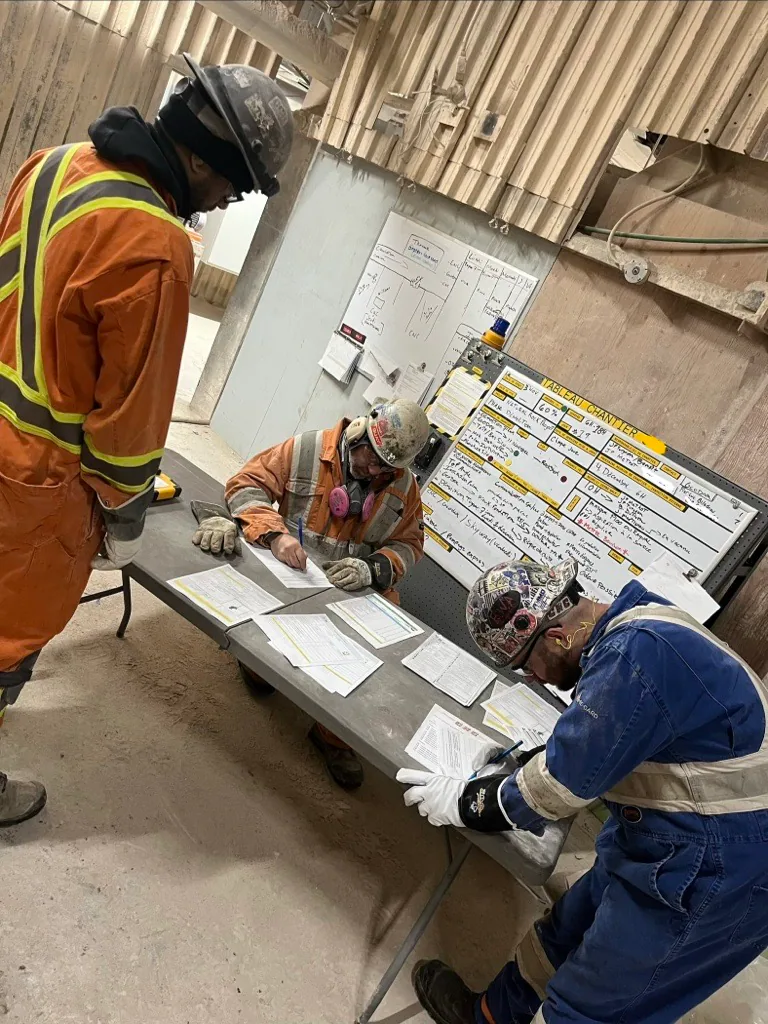
- worker orientation and communication of site rules;
- a job safety analysis (JSA) to identify hazards and planned controls;
- a work plan that sets out responsibilities and the sequence of the activity;
- selection and use of task-appropriate personal protective equipment (PPE).
These elements are coordinated with client requirements, applicable permits, work zones and the interfaces between trades.
Anticipating conditions that change mid-project
An industrial worksite is never static. Weather, equipment condition and coordination between crews change the working conditions from one day to the next, and prevention has to follow that rhythm rather than stay tied to the original plan.
Variables tracked closely during execution include:
- weather conditions, which directly affect work at height, lifting and site access;
- the condition of equipment and tools placed in service on site;
- coordination between crews working simultaneously in the same zone;
- changes made to temporary installations, scaffolding in particular.
That last point illustrates the logic well: a scaffold modification carried out without following accepted practice can have serious consequences for anyone who uses it afterwards, including workers from another trade. These are exactly the situations where our representatives verify the installation before work resumes.
Checks associated with work at height and lifting
The legacy site documents personnel qualification for inspecting harnesses, fall-arrest accessories, slings and other lifting equipment. These checks support work preparation when handling, equipment positioning or elevated access forms part of the method.
Five values applied to prevention
CNC Mechanical's company values guide the decisions made in the field, including the ones that require stopping work or reworking a method.
- Safety — it sits at the centre of what we do, ahead of pace and ahead of schedule.
- Environment — a clean, well-kept worksite is a safer worksite.
- Integrity — there is no compromise to be made on worker health.
- Teamwork — prevention depends on coordination between crews, the client and other contractors.
- Excellence — disciplined planning is what allows a project to be completed without incident.
Safety during shutdowns and multidisciplinary work
A plant shutdown or turnaround brings many workers, disciplines and sequences into a fixed window. Planning must make the interfaces visible: simultaneous access, lifts, exclusion zones, energy-isolation requirements, work permits and shift coordination.
The same discipline is applied at an appropriate scale to routine boilermaking, millwright, structural-steel and industrial-piping work.
Standards, licences and qualifications
The previous website referenced several standards, licences, authorizations and associations. They should appear on the new site only after formal validation of their current status, scope and applicable numbers.
Include site requirements in the RFQ
When requesting a quote, identify known access rules, mandatory training, permits, unusual hazards, shutdown windows and document requirements. This information helps the team assess mobilization and work preparation.